

The gold mangalsutra is more than just a piece of jewelry; it symbolizes love, commitment, and tradition in Indian culture. This blog delves into the significance of the gold mangalsutra, exploring its history, design elements, and the profound cultural meanings it holds for couples and families alike.
The Historical Roots of the Mangalsutra
Exploring the origins of the mangalsutra and how it has evolved through the ages provides insight into its significance in marital traditions across India. Historically, this ornament was not merely a physical adornment; it emerged as a potent symbol of the sacred bond between a husband and wife. Its roots can be traced back to ancient times when marriage was considered a union sanctioned by the divine, a belief that continues to resonate in modern society.
As we delve deeper into its historical context, we discover that the mangalsutra is often believed to date back to the Vedic period, where its significance was intertwined with rituals and the very fabric of societal norms. Back then, it served as a spiritual shield, protecting the wife from any malevolent forces while fostering the marital bond. This protective aspect is not just a relic of the past; it continues to hold immense relevance for many, emphasizing how the gold mangalsutra remains a vital part of cultural identity in marriage.
From traditional fabrications wherein simple black beads were intertwined with gold chains, the mangalsutra has witnessed a plethora of changes over the years, both in terms of aesthetics and symbols. Each evolution in its design represents a chapter in the saga of Indian marriages, capturing the evolving views on love, partnership, and commitment. Hence, the mangalsutra stands testament to a legacy that transcends generations, remaining a pivotal element in the journey of marriage.
Symbolism Embedded in Design
From the choice of materials to the intricacies of design, each element of the gold mangalsutra carries profound meanings that reflect cultural beliefs. At its core, the gold used in the mangalsutra symbolizes wealth and prosperity, echoing the age-old adage that a woman brings fortune into her household. The interplay of black beads with gold is equally significant, representing the balance between power and harmony in a marital relationship.
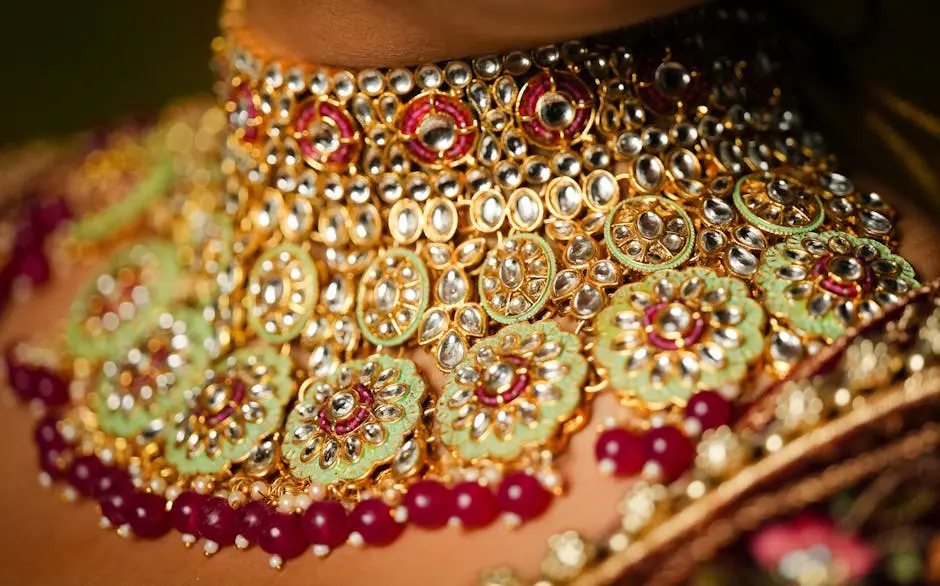
The pendant or central motif of the mangalsutra also tells a story. Depending on the family’s traditions, these pendants may feature intricate designs ranging from religious symbols to pure artistic expressions. Each piece is a reflection of the family’s beliefs and values, deeply woven into the fabric of personal and cultural identity. For many, selecting the design of a mangalsutra is an emblematic moment worth celebrating, often discussed during wedding preparations, symbolizing a commitment not only between partners but also with their families.
Moreover, the craftsmanship involved in creating a gold mangalsutra is a blend of artistry and tradition. Goldsmiths often incorporate cultural motifs that represent blessings, fertility, and protection. This intentional detail transforms the ornament from a mere accessory into a vessel of good fortune, which the couple cherishes throughout their lives. Understanding these elements enriches one’s appreciation for the cultural craftsmanship inherent in this piece of jewelry.
Regional Variations: A Cultural Mosaic
Different regions in India showcase unique variations of the mangalsutra, each telling its own story while adhering to the larger cultural narrative. In the southern states, for instance, you might encounter the ‘thaali,’ which showcases varied styles but upholds the same symbolism of union and love. Here, the design often reflects local art and traditions, embodying the rich heritage of the region.
Conversely, in the northern parts of India, the design and presentation take on a different flavor. The mangalsutras typically feature heavier gold chains and elaborate pendants, often complemented by precious gemstones. Here, it represents a more ostentatious display of wealth while carrying the same deep-rooted significance. Thus, each region’s adaptation of the mangalsutra encapsulates local nuances, making it a fascinating study of cultural diversity within the uniformity of marital traditions.
What fascinates many is how these regional styles not only celebrate diversity but also reflect surrounding environments and available materials. A mangalsutra from the coastal regions may incorporate shells, while those from the deserts might feature intricate engravings that signify the rich tapestry of life where they originated. This blend of art and cultural storytelling ensures that the gold mangalsutra remains an ever-evolving symbol, deeply entrenched in the socio-economic backdrop of its time.
The Role of the Mangalsutra in Modern Marriages
In today’s fast-paced world, the mangalsutra remains a cherished symbol, adapting in style while retaining its deep-rooted significance in marital ceremonies. While many young couples may opt for minimalist designs that align with contemporary fashion, the essence of the gold mangalsutra stays intact. It has become a striking conversation starter, bridging generations through both traditional and modern interpretations.
Interestingly, the shift towards simpler styles does not diminish the cultural importance of the mangalsutra; rather, it reflects a broader trend where tradition meets personal expression. Young brides often customize their mangalsutras, incorporating their desired designs and even choosing to add modern touches, ensuring their piece of jewelry resonates with their personal identity while still honoring the rituals of marriage.
As society evolves, so too does the narrative surrounding the mangalsutra. Many couples today view it not just as an accessory but as a meaningful token of commitment. It acts as a daily reminder of their vows, serving to reinforce familial bonds and traditions in a rapidly changing world. Thus, the mangalsutra is both a beautiful ornament and a powerful emblem of love amidst modernity.
Caring for Your Gold Mangalsutra: Preservation of Heritage
Taking care of this precious adornment is key to preserving its beauty and the cultural legacy it represents for generations to come. Regular maintenance ensures that the gold mangalsutra always retains its luster, reflecting the love and commitment it signifies. Cleaning is an essential part of this care routine; gentle solutions can safeguard its shine without harming delicate details in the design.
Additionally, when not in use, storing the gold mangalsutra in a soft, padded pouch can prevent scratches and tangling, preserving its elegance. It is also wise to avoid exposing the piece to harsh chemicals and perfumes, which can tarnish the gold over time. Such simple yet effective steps ensure that the ornament continues to tell its timeless tale of love and culture, passed down with pride through generations.
In many families, the gold mangalsutra becomes a revered heirloom, not just a wedding gift but rather a symbol of enduring love and connection across ages. Therefore, instilling a sense of care and appreciation for this ornament can help younger generations understand its rich cultural context, ensuring its legacy continues. This knowledge fosters respect not just for the jewelry itself but for the tradition it represents.
Embracing the Legacy of the Mangalsutra
The gold mangalsutra represents much more than its shine and beauty. It is a powerful symbol of unity, love, and tradition, binding families and cultures together. Understanding its importance allows us to appreciate the intricate ways in which jewelry weaves into the fabric of our lives.


